21 Nov 10,000 YEARS OF BRANDING EXPLAINED IN 6 MINUTES
Did humans start branding things before they could even write?...

This lesson uses the short documentary 'The Story of Electronics' to explore why consumer electronics are often designed to be thrown away quickly and what that means for people, the planet, and business. Learners discuss planned obsolescence, toxic supply chains, and whether companies should be...
Colour is not a fixed reality but an illusion constructed inside each of our minds, raising a fascinating question: do we ever truly experience the same thing as the person next to us? This lesson uses Michael Stevens' viral Vsauce video to explore the science...
This lesson uses a thought-provoking video to examine why companies deliberately design products with a limited lifespan. Learners explore the ethics of planned obsolescence, its impact on consumers and the environment, and what it reveals about power in modern markets. It is an ideal discussion...
James May tackles the question of whether humans are still evolving, exploring how modern life has reshaped natural selection and what changes are still quietly happening in our species. From digesting milk to the shrinking of genetic diversity through globalisation, the video raises thought-provoking ideas...
This lesson uses a BBC Newsnight investigation into EverFX, an online trading platform linked to an international scam network that stole over $1.2 billion from investors worldwide. Students explore how fraudulent companies use sports sponsorships and high-pressure sales tactics to deceive victims. The session opens...
This lesson explores solar geoengineering as a proposed response to global warming, examining whether reflecting sunlight back into space is a viable solution or a dangerous distraction. Learners engage with complex arguments around risk, ethics, and international decision-making. It is an ideal session for professionals...
A New York Times investigation into over 100,000 government bidding documents reveals the true scale of China's surveillance apparatus, from facial recognition cameras to DNA databases. This lesson invites business professionals to examine the ethical, legal, and commercial implications of mass data collection. It is...
This lesson examines how brands use neuromarketing to influence purchasing decisions at a subconscious level, raising serious questions about ethics, consumer autonomy, and the limits of rational choice. Participants explore real tactics companies use to shape behaviour and debate whether regulation is needed. It is...
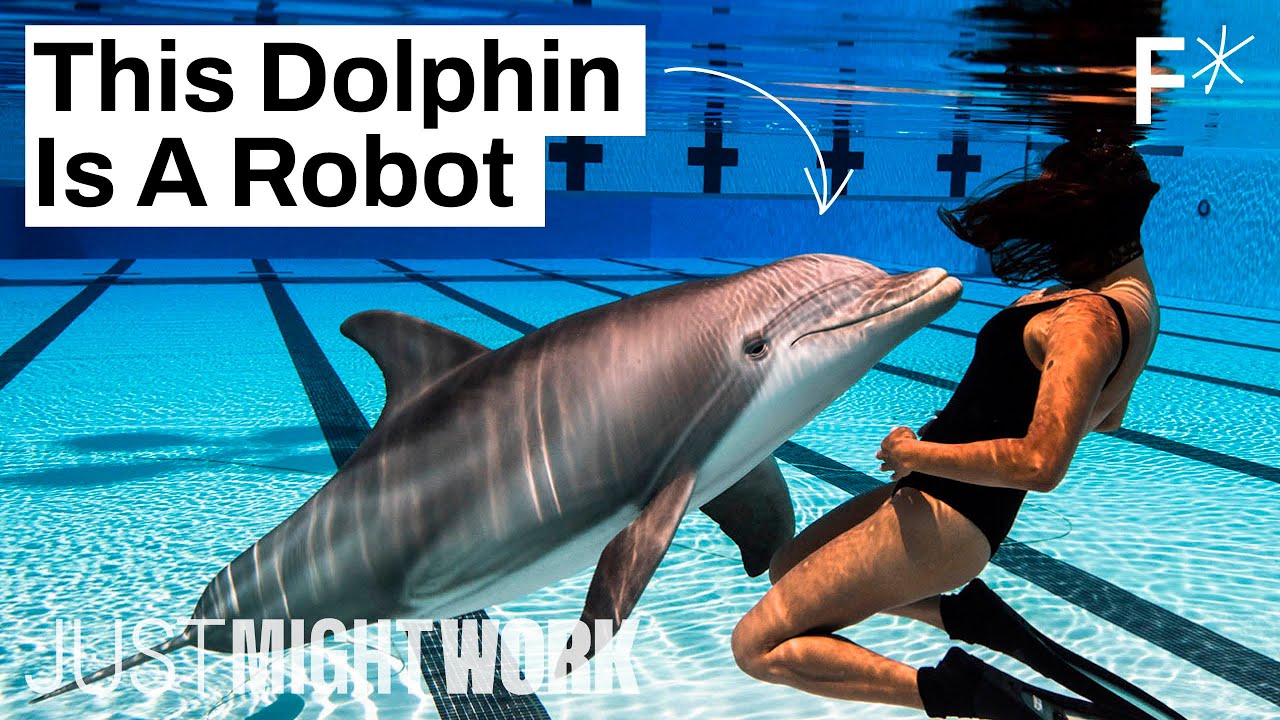
This lesson uses a fascinating video about a hyper-realistic robotic dolphin to explore one of the most uncomfortable questions in modern entertainment: is keeping wild animals in captivity still justifiable? Students discuss shifting public attitudes, the business model of zoos and marine parks, and whether...